Your Skin Barrier Is Compromised—Here's the Clinical Roadmap to Restoring It
Understanding the Skin Barrier: More Than a Metaphor
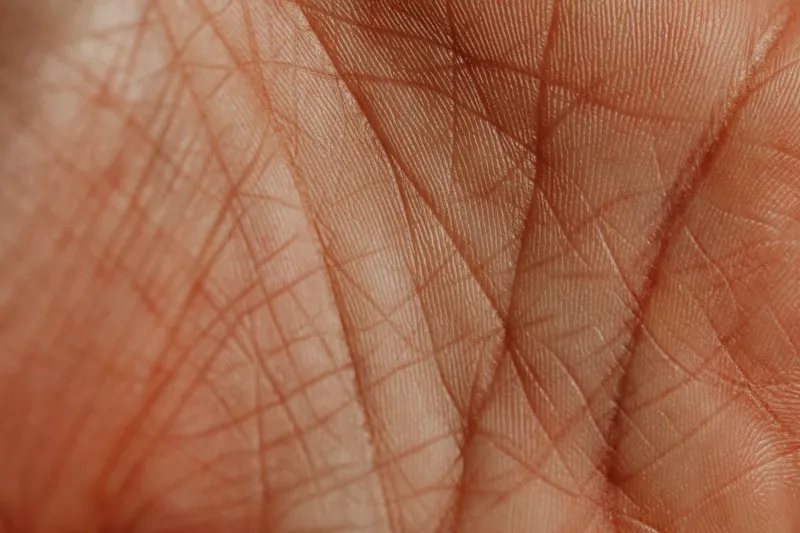
The phrase "skin barrier" is used so frequently in wellness culture that it risks losing its clinical meaning. At VS Derma Clinic, we want to be precise: the skin barrier refers to the stratum corneum—the outermost layer of the epidermis—and the lipid matrix that surrounds its cells.
Imagine the stratum corneum as a brick wall. The corneocytes, or dead skin cells, are the bricks. The mortar holding them together is a carefully balanced mixture of ceramides (approximately 50%), cholesterol (25%), and free fatty acids (15–20%). This structure is not decorative; it is functional. A healthy barrier regulates transepidermal water loss (TEWL), defends against environmental pathogens and allergens, and maintains the slightly acidic pH (between 4.5 and 5.5) that supports the skin's native microbiome.
When this architecture is disrupted, the consequences extend well beyond dryness. Increased TEWL leads to chronic dehydration even when drinking adequate water. The acidic mantle becomes alkaline, destabilizing the microbiome and reducing the activity of enzymes responsible for natural exfoliation. Inflammatory pathways activate. The skin becomes hypersensitive to products it previously tolerated without issue.
How Modern Skincare Routines Contribute to Barrier Damage
This is a difficult truth: many individuals with compromised skin barriers have inadvertently caused the damage themselves—not through neglect, but through overcorrection.
The American skincare market has moved toward increasingly active, multi-step routines. Retinoids, alpha hydroxy acids (AHAs), beta hydroxy acids (BHAs), vitamin C, and exfoliating cleansers are all evidence-based ingredients with legitimate dermatological applications. However, layering multiple actives daily—particularly without appropriate rest periods—can progressively erode the lipid matrix and thin the stratum corneum.
Specific behaviors that commonly contribute to barrier compromise include:
Over-exfoliation: Chemical exfoliants accelerate cell turnover and improve texture, but the stratum corneum requires time to rebuild. Using AHAs or BHAs daily, or combining them with a retinoid in the same routine, frequently exceeds the skin's repair capacity.
Alkaline cleansers: Traditional bar soaps have a pH between 9 and 11—far above the skin's natural range. Regular use disrupts the acid mantle and can impair ceramide synthesis. Many foaming facial cleansers, though marketed as gentle, share this alkalinity problem.
Hot water and extended cleansing: Hot water dissolves the lipid mortar between skin cells. Prolonged face washing, particularly with warm or hot water, amplifies this effect.
Alcohol-heavy formulations: Denatured alcohol (alcohol denat.) evaporates rapidly, producing a matte finish that many consumers associate with efficacy. In reality, it solubilizes the very lipids the barrier depends upon.
Environmental contributors: Low-humidity environments—common in dry climates and heated indoor spaces during U.S. winters—accelerate TEWL. UV radiation damages corneocytes and degrades ceramide content. Air pollution introduces oxidative stress that impairs barrier function at a cellular level.
Recognizing a Compromised Barrier
Skin barrier dysfunction does not always present as obvious peeling or redness. Patients at VS Derma Clinic often arrive with subtler complaints that, in combination, point clearly to barrier impairment:
- Persistent tightness after cleansing, even with moisturizer applied
- Stinging or burning when applying products that previously caused no reaction
- Increased sensitivity to temperature changes or wind
- Skin that appears dull or feels rough despite regular exfoliation
- Breakouts that coincide with a new, aggressive product routine
- Conditions such as eczema or rosacea that have suddenly worsened without a clear external trigger
A board-certified dermatologist can assess barrier integrity through clinical examination and, in some cases, TEWL measurement—a non-invasive tool that quantifies how much water is escaping through the skin surface.
The Evidence-Based Restoration Protocol
Rebuilding a damaged skin barrier is not a weekend project. Clinical evidence suggests meaningful restoration takes a minimum of four weeks, with full normalization often requiring two to three months. The protocol is deliberate and, counterintuitively, involves doing less rather than more.
Phase One: Cessation and Simplification (Weeks 1–2)
The first priority is removing the insults. During this phase:
- Discontinue all exfoliating actives. This includes AHAs, BHAs, retinoids, and physical scrubs. Without exception.
- Switch to a gentle, pH-balanced cleanser. Look for products with a pH between 4.5 and 6.5, free of sulfates and fragrance. Micellar water is an acceptable alternative for those whose skin is highly reactive.
- Reduce your routine to three steps: cleanse, treat (with a barrier-focused moisturizer only), and protect (broad-spectrum SPF 30 or higher, applied every morning).
Phase Two: Active Repair (Weeks 2–6)
Once the skin has stabilized—meaning baseline reactivity has decreased—introduce ingredients clinically demonstrated to support barrier reconstruction:
- Ceramides: Topical ceramide-containing moisturizers have been shown in multiple studies to reduce TEWL and improve barrier function in both healthy and compromised skin. Products containing ceramide NP, ceramide AP, and ceramide EOP in combination most closely approximate the skin's natural lipid profile.
- Cholesterol and fatty acids: The most effective barrier-repair formulations replicate the natural ceramide:cholesterol:fatty acid ratio. Products listing all three components are superior to ceramide-only formulations.
- Niacinamide (2–5%): Stimulates ceramide synthesis within the skin and reduces inflammation. At moderate concentrations, it supports repair without the sensitizing potential of actives.
- Panthenol (provitamin B5): Enhances skin hydration and has demonstrated wound-healing properties in clinical literature. A well-tolerated humectant and emollient.
- Colloidal oatmeal: An FDA-approved skin protectant with anti-inflammatory properties. Particularly useful for individuals experiencing itching or reactive flares during the repair phase.
Phase Three: Careful Reintroduction (Week 6 Onward)
Once barrier integrity has been restored—evidenced by the absence of stinging, tightness, and reactive flushing—actives may be reintroduced. The guiding principles:
- Introduce one active at a time, with a minimum of two weeks between additions.
- Begin at the lowest available concentration and lowest recommended frequency.
- Use the "sandwich" technique for retinoids: apply moisturizer before and after to buffer irritation.
- Do not combine multiple exfoliating actives on the same day, even in a repaired skin state.
Why Expensive Products Fail a Damaged Barrier
This is the clinical explanation for a frustration many patients voice: investing in premium serums and treatments that produce no visible improvement, or worse, that cause irritation.
A compromised barrier cannot selectively absorb beneficial actives while blocking irritants. Its permeability is indiscriminate. High-concentration vitamin C, retinol, or peptide serums applied to a damaged barrier do not penetrate in a targeted, therapeutic manner—they penetrate erratically, often triggering inflammation before they can deliver any benefit. The investment is real; the return is not.
Restoring the barrier first creates the substrate through which those actives can eventually work as intended.
When to Seek Clinical Care
Self-directed barrier restoration is appropriate for mild to moderate disruption. However, certain presentations warrant evaluation by a dermatologist:
- Barrier symptoms that persist beyond eight weeks of consistent repair-focused care
- Signs of infection (warmth, crusting, oozing)
- Worsening eczema, psoriasis, or rosacea
- Skin that has not tolerated any topical product for an extended period
At VS Derma Clinic, our clinical team offers comprehensive skin evaluations that include assessment of barrier function, microbiome health, and personalized treatment planning. Rebuilding your skin's foundation is among the most impactful investments you can make in long-term skin health—and it begins with understanding what that foundation actually requires.