Reading Between the Lines: What Dermatologists Actually Look for on a Skincare Label
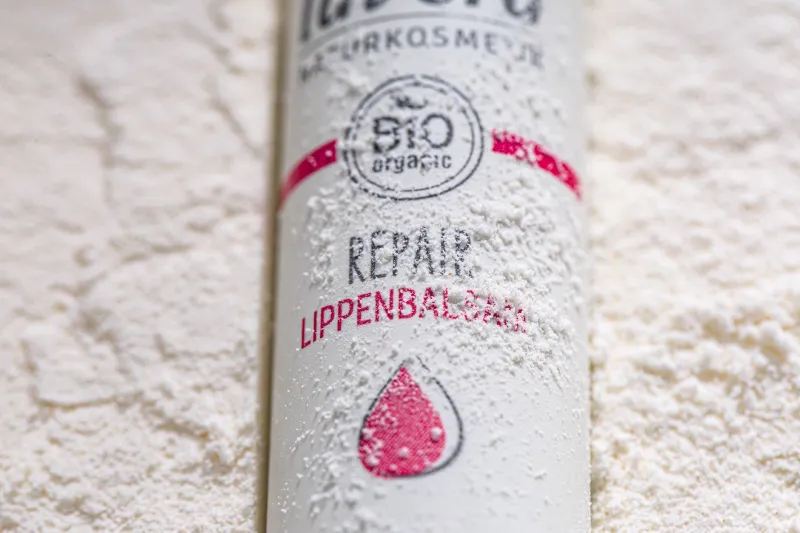
The Label Is a Legal Document—Treat It Like One
When a patient walks into VS Derma Clinic holding a newly purchased serum and asks whether it's worth the price tag, the first thing our providers do is flip the bottle over. The front of any skincare product is marketing real estate. The back—specifically the ingredient list—is where the clinical truth lives.
In the United States, the Food and Drug Administration (FDA) requires cosmetic manufacturers to list ingredients in descending order of concentration. This means the first ingredient on the list is present in the greatest amount, and the last is present in the smallest. Understanding this single rule immediately elevates your ability to evaluate any product.
When a brand advertises "vitamin C brightening serum" and ascorbic acid appears fifteenth on the ingredient list, that tells a clear story: the concentration is likely too low to produce a meaningful clinical effect. Conversely, if water (aqua) is first, followed immediately by glycerin, you're looking at a well-hydrated base formula—a positive sign for a moisturizer.
The Concentration Problem: When "Contains" Doesn't Mean "Works"
One of the most persistent misconceptions in consumer skincare is the belief that the presence of an ingredient equals efficacy. Dermatologists think in terms of therapeutic thresholds—the minimum concentration at which a compound demonstrates measurable clinical benefit.
Here are several commonly advertised actives and the concentrations that research supports:
- Retinol: Effective concentrations in over-the-counter products begin around 0.025% and scale upward. Products listing retinol near the bottom of a lengthy ingredient deck are unlikely to reach this threshold.
- Niacinamide: Studies supporting improvements in hyperpigmentation, pore appearance, and sebum regulation generally use concentrations between 2% and 5%. Many reputable brands now disclose this percentage on the label—a transparency signal worth rewarding with your purchase.
- Vitamin C (L-ascorbic acid): Clinically meaningful concentrations typically range from 10% to 20%. Below 10%, photoprotective and brightening effects diminish substantially. Notably, L-ascorbic acid is notoriously unstable; products packaged in clear glass or exposed to light may degrade before you even open the bottle.
- Hyaluronic acid: Effective at relatively low concentrations, which is why its position on the label matters less than with other actives. However, molecular weight matters here—low-molecular-weight hyaluronic acid penetrates more deeply, while high-molecular-weight variants work primarily at the surface.
When a brand refuses to disclose percentages and relies instead on language like "a potent dose" or "our proprietary blend," treat that opacity as a flag.
Decoding the Buzzwords: Science vs. Storytelling
Marketing language in the skincare industry operates on a spectrum. Some terms carry genuine scientific weight; others are crafted to evoke a feeling rather than describe a function.
Terms with legitimate scientific grounding:
- Clinically tested — Meaningful only if the brand can produce the study. Ask where it was published and whether it was peer-reviewed.
- Non-comedogenic — Indicates the formula has been assessed for its likelihood of clogging pores, though standardization of this testing varies.
- Broad-spectrum SPF — A regulated FDA claim meaning the product protects against both UVA and UVB radiation. This one matters.
- Fragrance-free — Distinct from "unscented," which may still contain masking fragrances. For sensitive or reactive skin, fragrance-free is the clinically preferred designation.
Terms that function primarily as marketing:
- Natural — Has no regulated definition in U.S. cosmetics. Poison ivy is natural. The word tells you nothing about safety or efficacy.
- Clean — Similarly unregulated. Brands define "clean" according to their own standards, which vary widely.
- Detoxifying — Skin does not accumulate toxins in a way that a topical product can reverse. The liver and kidneys handle detoxification.
- Dermatologist-approved — Unless accompanied by specifics about who, how, and under what conditions, this phrase may represent nothing more than a single physician's endorsement.
The Ingredient Deck: Reading It Strategically
Beyond concentration order, there are structural elements within an ingredient list that reward careful attention.
The 1% rule: In U.S. cosmetic labeling, ingredients present at concentrations of 1% or less may be listed in any order after those above 1%. This means a product can legally list a high-profile active—say, bakuchiol or ceramides—after all the primary formulation ingredients, regardless of the sequence among that lower-concentration group. Brands occasionally use this to make trace ingredients appear more prominent.
Preservatives as quality indicators: Effective preservation is essential for product safety. Seeing preservatives such as phenoxyethanol, sodium benzoate, or potassium sorbate is not a red flag—it is evidence of responsible formulation. A product marketed as "preservative-free" that contains water is either unstable or harboring an unlisted preservative system.
pH-dependent actives: Some ingredients only function within a specific pH range. Vitamin C serums require a pH below 3.5 for optimal absorption. AHAs and BHAs work most effectively between pH 3 and 4. A product containing these actives in a high-pH base is functionally inert, regardless of how prominently the active is featured on the front label.
Practical Steps for Your Next Skincare Purchase
Applying this knowledge at the point of purchase does not require a dermatology degree. The following framework simplifies the process:
- Identify your primary skin concern before shopping, and research the one or two ingredients with the strongest clinical evidence for that concern.
- Locate that ingredient on the label. Is it in the top half of the list? Does the brand disclose the percentage?
- Scan for potential irritants. Fragrance (listed as "fragrance" or "parfum"), alcohol denat., and essential oils are common sensitizers, particularly for individuals with rosacea, eczema, or reactive skin.
- Question the price-to-ingredient ratio. Luxury packaging and brand heritage are real costs built into a product's price. That does not necessarily translate into superior formulation.
- When in doubt, consult a board-certified dermatologist. At VS Derma Clinic, our providers regularly review patient product routines as part of comprehensive skin health evaluations.
The Bottom Line
Skincare literacy is not about dismissing every product that uses aspirational language—it is about developing the discernment to distinguish between a formula that has been thoughtfully constructed and one that has been artfully packaged. The ingredient list is your most reliable tool, and understanding it transforms you from a passive consumer into an informed participant in your own skin health.
The skin is the body's largest organ. It deserves the same evidence-based consideration we apply to any other aspect of medical care.