The Clinical Skeptic's Guide to At-Home Skincare Devices: What Dermatologists Weigh Before Making a Recommendation
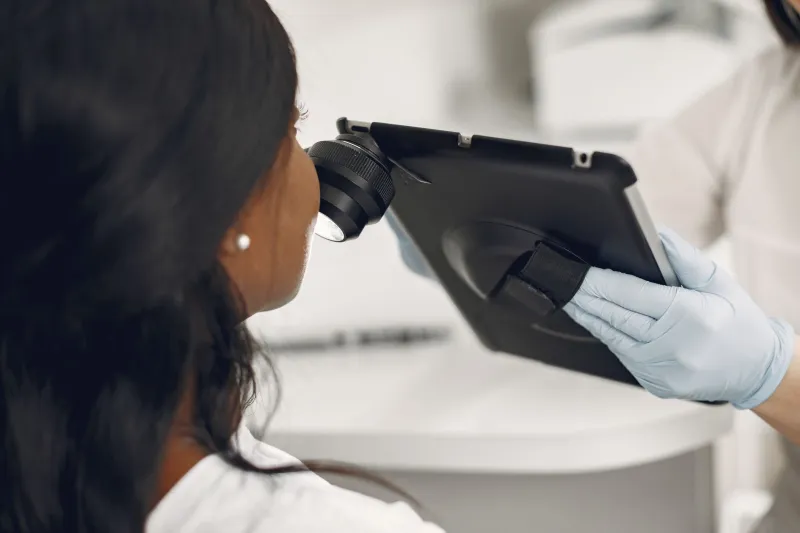
Walk through any major beauty retailer or scroll through a skincare forum, and you will encounter a dazzling array of at-home devices promising professional-grade transformation. Microneedling pens. LED light masks. Radiofrequency wands. Ultrasonic scrubbers. Each one arrives with compelling before-and-after imagery, peer testimonials, and a price tag that feels justified by the technology inside.
Yet ask a board-certified dermatologist for their opinion, and the response is frequently measured, sometimes outright cautious. That restraint is not dismissiveness. It is the product of a clinical framework that evaluates treatments differently than the beauty industry does—and understanding that framework can fundamentally change how you approach these purchases.
The Difference Between "Works" and "Works Safely for You"
The first thing to understand is that dermatologists do not operate from the assumption that a device is worthless simply because it originated outside a clinical setting. Many at-home tools are built on legitimate science. LED therapy, for instance, has a substantial body of peer-reviewed evidence supporting its use in reducing inflammation and stimulating collagen synthesis under controlled conditions. Microneedling, when performed correctly, demonstrably improves skin texture and the absorption of topical treatments.
The operative phrase is under controlled conditions.
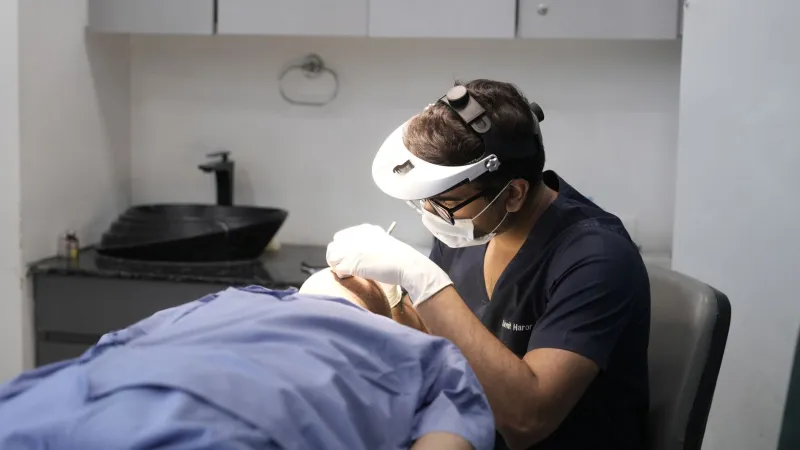
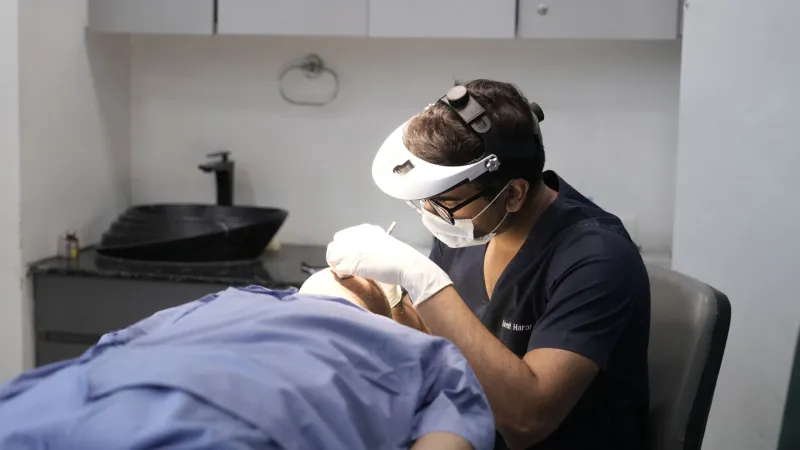
In a dermatology office, a practitioner assesses your skin type, identifies contraindications, calibrates device settings to your specific presentation, and monitors your response in real time. That personalized clinical judgment is what a consumer device cannot replicate. When a manufacturer sets a single operational parameter for a mass-market product, they are designing for a hypothetical average user—not for your individual skin barrier integrity, your history of post-inflammatory hyperpigmentation, or the medications you may be taking that increase photosensitivity.
This is the core of the skepticism: not that the technology fails, but that the technology, applied without clinical context, introduces meaningful risk.
Microneedling Pens: Where the Concern Is Most Pronounced
Of all the at-home device categories, consumer microneedling tools draw the most consistent concern from dermatologists. The principle behind microneedling is sound—creating controlled micro-injuries to trigger the skin's wound-healing response. In a clinical setting, this process is performed under sterile conditions, at precise needle depths calibrated for the treatment area, with appropriate aftercare protocols in place.
At-home pens compress this process into a consumer-grade device with variable needle quality and no mechanism to enforce sterile technique. The risk profile includes infection, scarring, and—particularly for individuals with darker skin tones—post-inflammatory hyperpigmentation triggered by improper depth or technique. When patients present to dermatology offices with adverse reactions from at-home microneedling, the damage is sometimes more difficult to treat than the original concern the patient was trying to address.
Dermatologists are also attentive to the regulatory landscape. The FDA classifies many microneedling devices differently depending on needle depth, and consumer versions often occupy a gray area that limits the clinical claims manufacturers can legally make—which does not always stop those claims from appearing in marketing materials.
LED Masks: The Most Defensible Category, With Caveats
LED therapy is arguably the at-home device category where dermatologists are most willing to engage constructively. Red light in the 630–700 nanometer range and near-infrared wavelengths have demonstrated anti-inflammatory and collagen-stimulating effects in clinical studies. Blue light in the 415-nanometer range has established efficacy against Cutibacterium acnes, the bacterium central to acne pathogenesis.
The caveats are meaningful, however. Consumer LED masks typically deliver lower irradiance than clinical devices, which affects the depth of tissue penetration and the biological response. A mask that emits light at insufficient intensity may produce some benefit, but it is unlikely to replicate the outcomes achievable in a clinical environment.
Eye safety is another consideration that dermatologists raise consistently. Not all masks are designed with adequate eye shielding, and cumulative exposure to certain wavelengths without proper ocular protection carries documented risks. Patients with photosensitive conditions—lupus, certain forms of porphyria, or those on photosensitizing medications such as doxycycline or isotretinoin—should not use LED devices without explicit guidance from their physician.
When dermatologists do suggest LED therapy to patients, it is typically as an adjunctive tool for specific, confirmed diagnoses, not as a general anti-aging intervention.
Ultrasonic and Radiofrequency Devices: The Energy Delivery Problem
Ultrasonic scrubbers and consumer radiofrequency devices present a different category of concern, centered on energy delivery. Both technologies rely on delivering energy into skin tissue—ultrasonic devices use sound wave vibration to exfoliate and theoretically enhance product penetration, while radiofrequency devices generate heat in the dermis to stimulate collagen remodeling.
In professional settings, radiofrequency treatments are calibrated precisely, with built-in thermal monitoring and defined treatment endpoints. Consumer devices lack this precision. Overuse, improper technique, or application over contraindicated areas (active acne lesions, compromised skin barrier, implanted devices) can produce burns, paradoxical fat loss in facial areas, or exacerbation of inflammatory conditions.
The ultrasonic category is less overtly dangerous but suffers from a different problem: the evidence base for consumer-grade devices is thin. The penetration enhancement claims, while mechanistically plausible, have not been rigorously demonstrated at the energy levels consumer devices operate at. Dermatologists are reluctant to recommend a tool whose benefit profile is largely theoretical at the consumer power range.
When a Dermatologist Might Actually Suggest a Device
It would be inaccurate to characterize dermatologists as categorically opposed to at-home devices. There are circumstances under which a clinician might recommend one to a patient, and those circumstances share common characteristics.
First, the recommendation is diagnosis-specific. A dermatologist treating a patient with mild-to-moderate inflammatory acne might suggest a clinically validated blue light device as a non-antibiotic adjunct to their treatment plan. A patient managing rosacea-related redness under medical supervision might be guided toward a specific low-intensity LED protocol. The device recommendation follows the diagnosis; it does not precede it.
Second, the device has a meaningful evidence base at the consumer level—not merely in clinical studies using professional-grade equipment. This distinction matters considerably.
Third, the patient has been assessed for contraindications. A dermatologist who knows your skin history, your current medications, and your treatment goals is positioned to make that judgment. A product listing page is not.
What to Do Before You Purchase
If you are considering an at-home skincare device, the most clinically sound approach is to raise the question at your next dermatology appointment. Bring the specific product, its specifications, and the claims the manufacturer makes. Your dermatologist can evaluate whether the device is appropriate for your skin type and condition, whether the evidence behind it is credible, and whether it is likely to interact negatively with any treatments you are already receiving.
This is not overcaution. Skincare devices interact with living tissue in ways that topical products generally do not. The stakes of an uninformed purchase are meaningfully higher, and the expertise of a board-certified dermatologist is precisely the resource that transforms a speculative investment into a considered clinical decision.
The goal, as always, is not the newest technology. It is the right intervention for your skin, applied correctly, at the right time.