Why Dermatologists Reach for the $15 Cleanser Every Time: The Clinical Logic Behind a Counterintuitive Choice
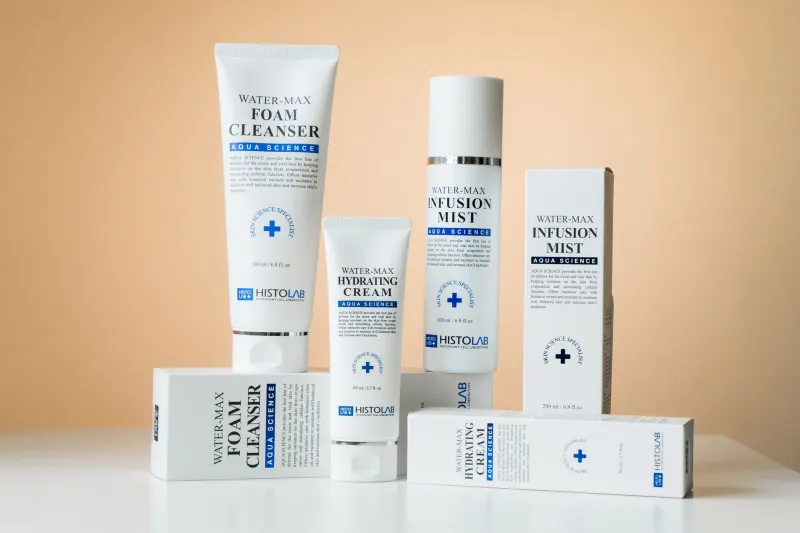
There is a particular moment that happens in dermatology offices across the country with quiet regularity. A patient arrives clutching a printed ingredient list or a phone screen filled with glowing reviews, asking whether a premium cleansing product is worth its price. The dermatologist pauses, considers the formulation, and then—more often than not—suggests something available at any Walgreens for a fraction of the cost. The patient is puzzled. The dermatologist is not.
That gap in understanding represents one of the most instructive disconnects in modern skincare. Closing it requires examining what cleansers are actually supposed to do, how physicians evaluate them, and why the luxury market has successfully convinced consumers that cleansing is a category worthy of significant financial investment.
What a Cleanser Is Clinically Required to Do
From a dermatological standpoint, a facial cleanser has a narrow and specific job: remove surface-level debris—sebum, environmental particulates, residual sunscreen, and makeup—without disrupting the skin's acid mantle or compromising barrier function. That is the entirety of the clinical mandate.
A cleanser is a rinse-off product. Its contact time with the skin is measured in seconds, not hours. Whatever active ingredients, botanical extracts, or peptide complexes a product claims to contain, their ability to deliver meaningful benefit during a 30-second application and rinse cycle is, at best, marginal. Dermatologists understand this pharmacokinetically. Effective ingredient delivery requires dwell time, appropriate pH, and absorption—conditions that the cleansing step actively works against.
This is why physicians tend to view cleanser formulation through a single critical lens: what does this product take away from the skin, and is that removal appropriately selective?
The Barrier Disruption Problem
The most significant clinical concern dermatologists have with high-end cleansing rituals is not what these products fail to add—it is what they risk stripping away. Aggressive surfactants, high fragrance loads, and multi-step cleansing systems that include exfoliating acids or enzymes can compromise the stratum corneum, the outermost protective layer of the skin.
A disrupted skin barrier presents clinically in ways that are frustratingly easy to misread. Tightness, flakiness, and increased sensitivity are frequently interpreted by consumers as signs of dryness or aging—prompting them to add more products to their routine. In reality, these are often symptoms of over-cleansing, a condition dermatologists see with considerable frequency, particularly among patients who invest heavily in their skincare rituals and therefore cleanse more thoroughly and more often.
The irony is significant: the more committed a patient is to their luxury cleansing routine, the more likely they are to be inadvertently undermining the rest of their regimen by starting from a compromised baseline.
What Dermatologists Actually Look for in a Cleanser
When a physician evaluates a cleansing product, the checklist is considerably more restrained than a beauty editor's review might suggest. The key criteria include:
Surfactant type and concentration. Gentle, non-ionic or amphoteric surfactants—such as cocamidopropyl betaine or certain glucoside-based cleansers—are preferred over harsh sulfates like sodium lauryl sulfate, which is known to cause measurable barrier disruption even in short contact times.
pH appropriateness. The skin's natural pH sits between 4.5 and 5.5. A cleanser that deviates significantly from this range—either too alkaline or too acidic—can temporarily alter the skin's microbiome and enzymatic activity. Many bar soaps, regardless of price, are inherently alkaline and therefore clinically suboptimal for facial use.
Fragrance content. Fragrance is the leading cause of cosmetic contact dermatitis in the United States. A dermatologist evaluating a cleanser will note fragrance presence as a potential liability, particularly for patients with sensitive skin, rosacea, or eczema. Expensive cleansers are, in many cases, more heavily fragranced than their drugstore counterparts—a feature that reads as luxurious but functions as a risk factor.
Absence of unnecessary actives. Retinoids, high-concentration AHAs, and potent antioxidants belong in leave-on formulations where absorption and dwell time allow them to function. Their inclusion in a cleanser is, clinically speaking, a marketing decision rather than a therapeutic one.
Many drugstore cleansers—particularly those developed or recommended by dermatologists, such as certain offerings from CeraVe, Vanicream, or La Roche-Posay—meet these criteria reliably and consistently. Their formulations tend to be straightforward, their surfactant profiles are gentle, and their fragrance content is minimal or absent.
The Pressure Physicians Navigate
It would be incomplete to discuss this topic without acknowledging the commercial ecosystem dermatologists operate within. Physicians are not immune to industry relationships. Medical conference sponsorships, sample programs, and continuing education events are often underwritten by skincare brands with premium product lines. This does not mean dermatologists are captured by these relationships—most are not—but it does mean the recommendation landscape is not perfectly neutral.
When a dermatologist bypasses that pressure and recommends the $15 option anyway, it reflects a clinical conviction that is worth taking seriously. It means the evidence, in their professional assessment, simply does not support the premium.
Rethinking Where Your Skincare Budget Belongs
None of this suggests that price is irrelevant across all skincare categories. Dermatologists will frequently recommend investing in well-formulated, broad-spectrum sunscreens, clinically validated retinoids, and targeted treatment serums—products where active ingredient concentration, delivery technology, and formulation complexity genuinely affect outcomes. These are leave-on products with meaningful contact time, and the quality of their formulation has measurable clinical consequences.
The cleanser is not that product. It is the foundation upon which everything else depends—which means its most important quality is restraint. A cleanser that cleans effectively without disrupting the barrier is doing its job perfectly, regardless of what it costs.
A Framework for Evaluating Your Own Routine
If you are currently investing significantly in a cleansing product, consider applying the same criteria your dermatologist would use. Check the ingredient list for fragrance or parfum near the top of the list. Identify the primary surfactant and research whether it has a history of barrier disruption. Ask yourself honestly whether your skin feels tight, reactive, or unusually sensitive after cleansing—a sign that the product may be more aggressive than your barrier can tolerate.
If the answer to any of these questions raises a concern, the solution is unlikely to be a more expensive cleanser. It is almost certainly a simpler one.
The dermatologist reaching past the $150 ritual is not being dismissive of skincare investment. They are being precise about where that investment produces a clinical return—and the cleanser, by design and by mechanism, is rarely the answer.